One of the reasons Power Rangers has remained popular for more than three decades is its consistent focus on character growth. While flashy battles, colorful suits, and giant Zords attract attention, it is the personal journeys of the Rangers that create lasting emotional connections. Across different seasons, Power Rangers has continually evolved how it develops its characters, reflecting both storytelling maturity and audience expectations.
Early Seasons: Simple Archetypes with Clear Morals
In the early years, especially during Mighty Morphin Power Rangers, character development was relatively straightforward. Rangers were defined by clear archetypes: the leader, the rebel, the intellectual, the athlete, and the heart of the team. While these personalities did not change drastically, they provided a strong moral foundation.
Conflicts often revolved around learning responsibility, teamwork, and self-discipline. Though subtle by today’s standards, these early seasons established the idea that being a Ranger was not just about power—it was about growing into a better person.
Gradual Emotional Depth in the Late 1990s
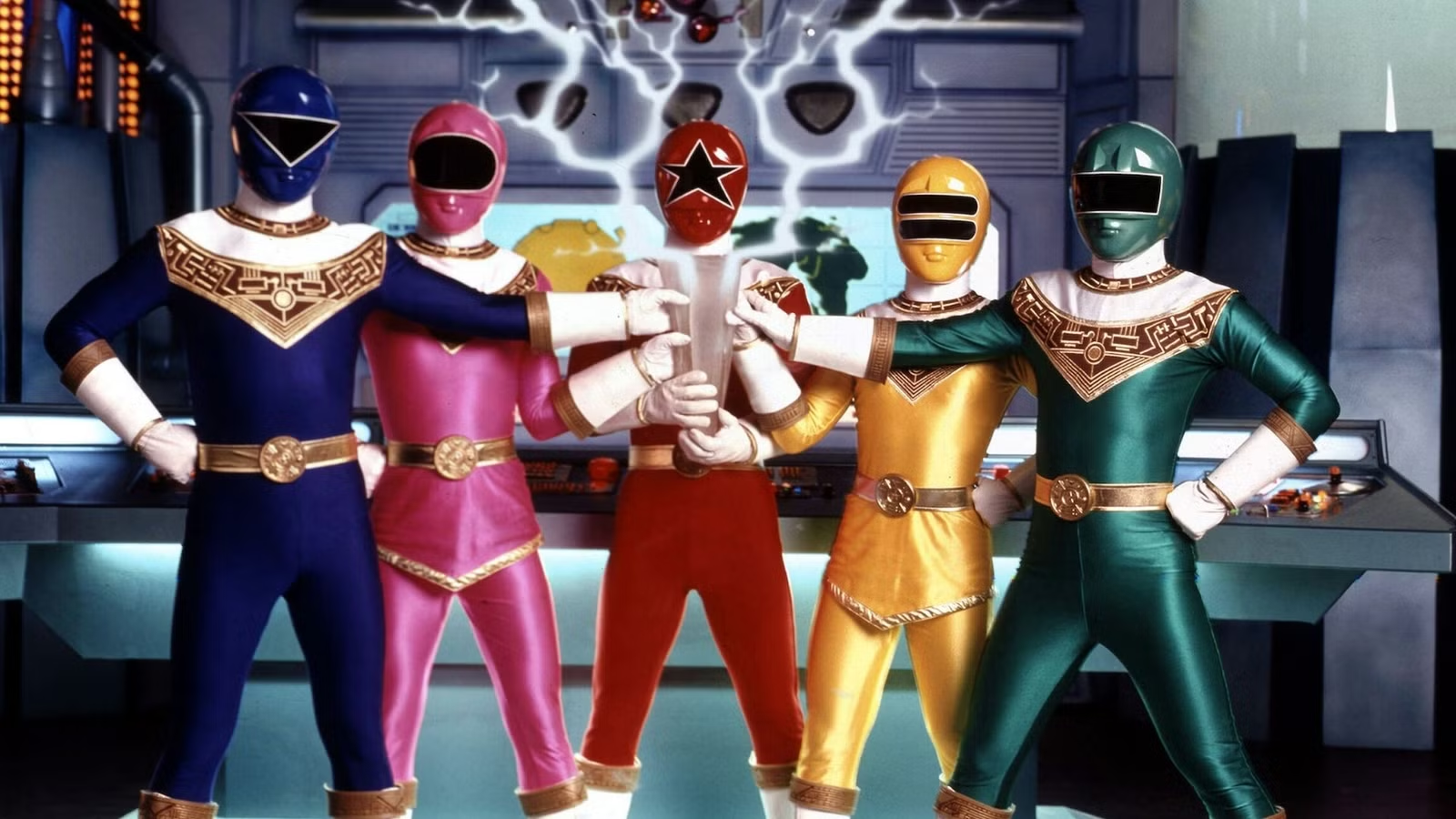
As the franchise progressed into seasons like Power Rangers In Space and Lost Galaxy, character development became more emotionally layered. Rangers faced loss, sacrifice, and internal conflict. Decisions carried real consequences, and characters were forced to confront their fears and doubts.
This era marked a shift toward long-term character arcs, where growth happened over many episodes instead of being reset each week. Fans began to see Rangers struggle with leadership pressure, identity, and loyalty, making them feel more human and relatable.
Time Force and the Rise of Complex Storytelling
Power Rangers Time Force is often cited as a turning point for character-driven storytelling. Rangers were shaped by their pasts, social roles, and moral beliefs. Conflicts between duty and personal feelings were central to the narrative.
Characters evolved through disagreements, ethical dilemmas, and emotional tension within the team. Leadership was questioned, trust was tested, and growth came through understanding rather than simple victory. This season proved that Power Rangers could deliver meaningful character development without losing its core identity.
Balancing Humor and Growth in the 2000s
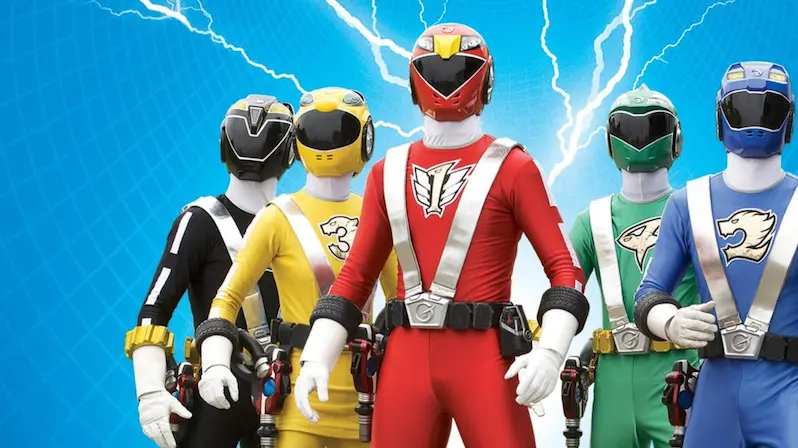
Seasons like Ninja Storm and Dino Thunder brought humor back to the forefront, but character growth remained important. Rangers often started as inexperienced or flawed individuals who matured through responsibility and teamwork.
This balance made character development more accessible to younger audiences while still rewarding longtime fans. Growth was shown through confidence-building, overcoming self-doubt, and learning to rely on others—themes that resonate across age groups.
Darker Tones and Psychological Depth
With seasons such as RPM, Power Rangers explored darker emotional territory. Characters were shaped by trauma, loss, and survival in a world on the brink of destruction. Personal backstories became more complex, and emotional resilience became a key theme.
These Rangers did not simply become heroes overnight. Their growth was earned through pain, failure, and perseverance. This approach demonstrated how flexible the Power Rangers formula could be while still delivering powerful character-driven stories.
Modern Seasons and Emotional Awareness
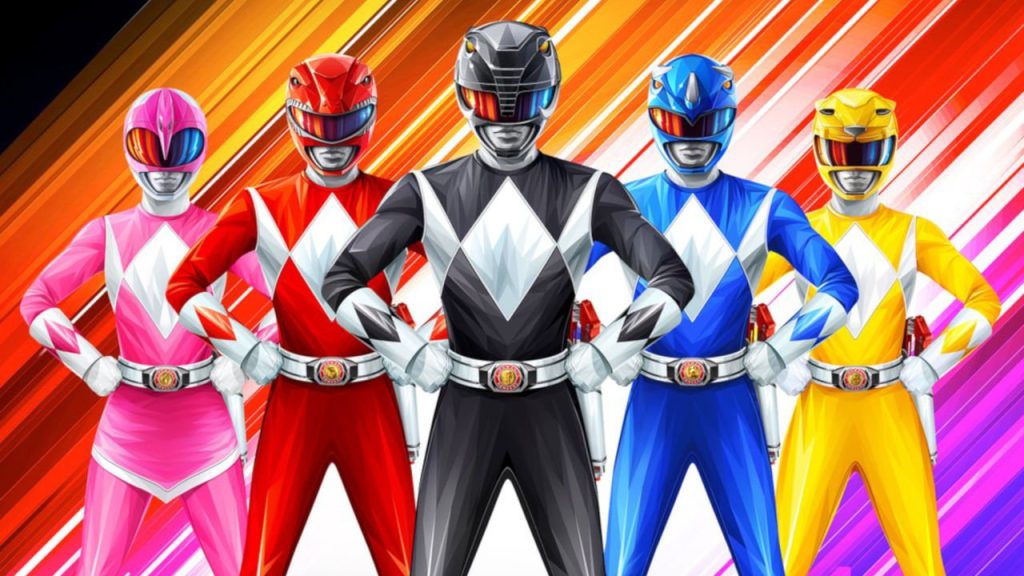
In more recent seasons, character development often emphasizes emotional intelligence and inclusivity. Rangers are encouraged to communicate openly, confront inner struggles, and support one another beyond combat.
Modern storytelling focuses on identity, belonging, and personal purpose. Growth is no longer just about becoming stronger fighters—it’s about becoming emotionally grounded individuals. This evolution mirrors the changing expectations of modern audiences.
Why Character Growth Matters in Power Rangers
Character development is what transforms Power Rangers from a simple action show into a lasting cultural phenomenon. Seeing Rangers grow reminds viewers that courage is learned, leadership is earned, and teamwork requires empathy.
Each season offers a new lens through which growth is explored, ensuring that the franchise remains fresh while staying true to its core values.
Final Thoughts
From simple archetypes to emotionally complex heroes, the evolution of character development across Power Rangers seasons reflects the franchise’s ability to grow alongside its audience. This ongoing transformation is a key reason Power Rangers continues to inspire fans around the world.
👉 If you’re a Power Rangers fan who appreciates the journeys behind the helmets, explore Power Rangers–inspired apparel, collectibles, and fan-favorite merchandise at: powerrangers.store and celebrate the characters that shaped generations of heroes.
