Since its debut in the early 1990s, Power Rangers has remained one of the longest-running and most recognizable franchises in television history. One of its most distinctive traits is that nearly every generation introduces a brand-new Power Rangers team. While some fans initially find this surprising, the constant renewal of teams is actually one of the franchise’s greatest strengths. So why does Power Rangers continue to reinvent its roster? The answer lies in storytelling, audience connection, and creative longevity.
Adapting to New Generations of Viewers
At its core, Power Rangers is designed to speak to young audiences of its time. Each generation grows up with different cultural references, values, and storytelling expectations. By introducing a new team, the franchise can tailor characters, dialogue, and themes to match what resonates most with contemporary viewers.
A team that felt relatable in the 1990s might not connect the same way with kids growing up in the 2010s or 2020s. New Rangers allow the series to reflect modern friendships, leadership styles, and emotional struggles, helping each generation feel like Power Rangers is their show.
Keeping the Story Fresh and Accessible
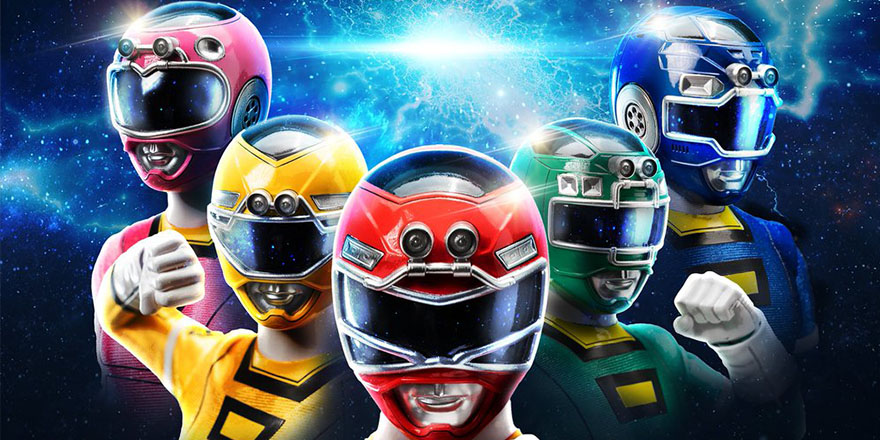
Another key reason for introducing new teams is accessibility. Power Rangers has an expansive history, but the franchise avoids overwhelming new viewers with complicated continuity. A fresh team, setting, and threat make it easy for anyone to jump in without needing years of backstory.
This soft reboot approach ensures that each season stands on its own. While longtime fans enjoy callbacks and Easter eggs, new audiences can enjoy the story without feeling lost. This balance has helped Power Rangers remain relevant for over 30 years.
Reflecting Changing Themes and Tones
Each Power Rangers generation also brings a shift in tone and thematic focus. Some seasons emphasize lighthearted teamwork and humor, while others explore darker, more emotional narratives. New teams make it possible to explore these shifts organically.
For example, space exploration, time travel, magic, technology, and post-apocalyptic survival have all shaped different Ranger teams. Changing the team allows the franchise to experiment creatively without being constrained by past character arcs.
Visual Evolution and New Ranger Identities
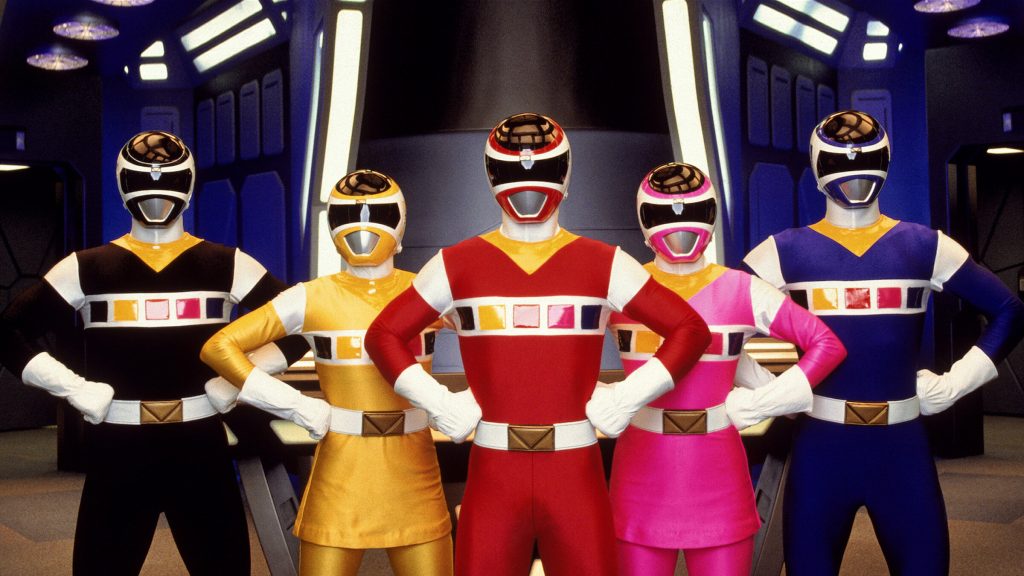
A new team also means new suits, colors, Zords, and symbols—all essential elements of the Power Rangers identity. Visual reinvention keeps the franchise exciting and helps each generation stand out.
Color choices, helmet designs, and even fighting styles often reflect the era’s aesthetic trends. These changes aren’t just cosmetic; they reinforce the season’s themes and help fans instantly recognize each generation’s unique identity.
Encouraging Character Growth Without Limits
By introducing new teams, the franchise avoids stagnation. Characters can complete their arcs without being dragged on indefinitely. Rangers can grow, sacrifice, and move on, making their journeys feel meaningful rather than repetitive.
This storytelling freedom allows writers to create emotionally satisfying conclusions while opening the door for entirely new stories. Occasionally, veteran Rangers return as mentors or allies, reinforcing continuity without overshadowing the new generation.
Expanding the Power Rangers Universe
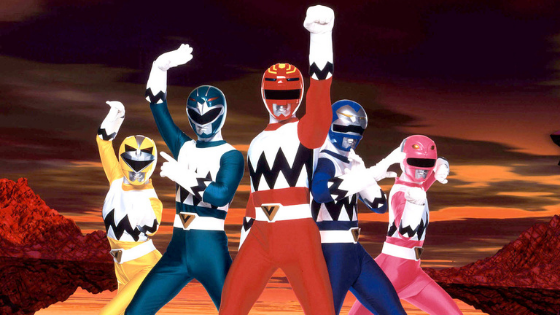
Each new team adds depth to the larger Power Rangers universe. Different regions, powers, and Ranger origins suggest a world much bigger than a single group of heroes. Over time, this creates a rich mythology where multiple teams coexist across time and space.
Crossovers and special events become more impactful because fans understand that every team represents a different era and philosophy. This layered universe is one of the reasons Power Rangers continues to attract both casual viewers and dedicated fans.
Marketing and Longevity Strategy
From a practical standpoint, new teams also support the franchise’s longevity. Fresh characters and designs inspire new merchandise, collectibles, and fan engagement. More importantly, they keep Power Rangers from feeling outdated or repetitive.
However, this strategy only works because it is rooted in genuine storytelling evolution—not just visual changes. Fans can sense when a new team has heart, and that authenticity keeps them invested year after year.
Why This Formula Still Works
Power Rangers succeeds because it understands that change is essential to survival. By allowing each generation to have its own team, the franchise stays flexible, inclusive, and emotionally relevant. The constant renewal ensures that while the faces may change, the core values—teamwork, courage, and hope—remain timeless.
Final Thoughts
Every generation of Power Rangers has a new team because every generation deserves heroes that reflect its own world. This evolving structure has allowed Power Rangers to grow alongside its audience while preserving the spirit that made it iconic.
👉 If you’re a Power Rangers fan who wants to celebrate heroes from every era, explore Power Rangers–inspired apparel, collectibles, and fan-favorite merchandise at: powerrangers.store and keep the legacy of your favorite Rangers alive.
